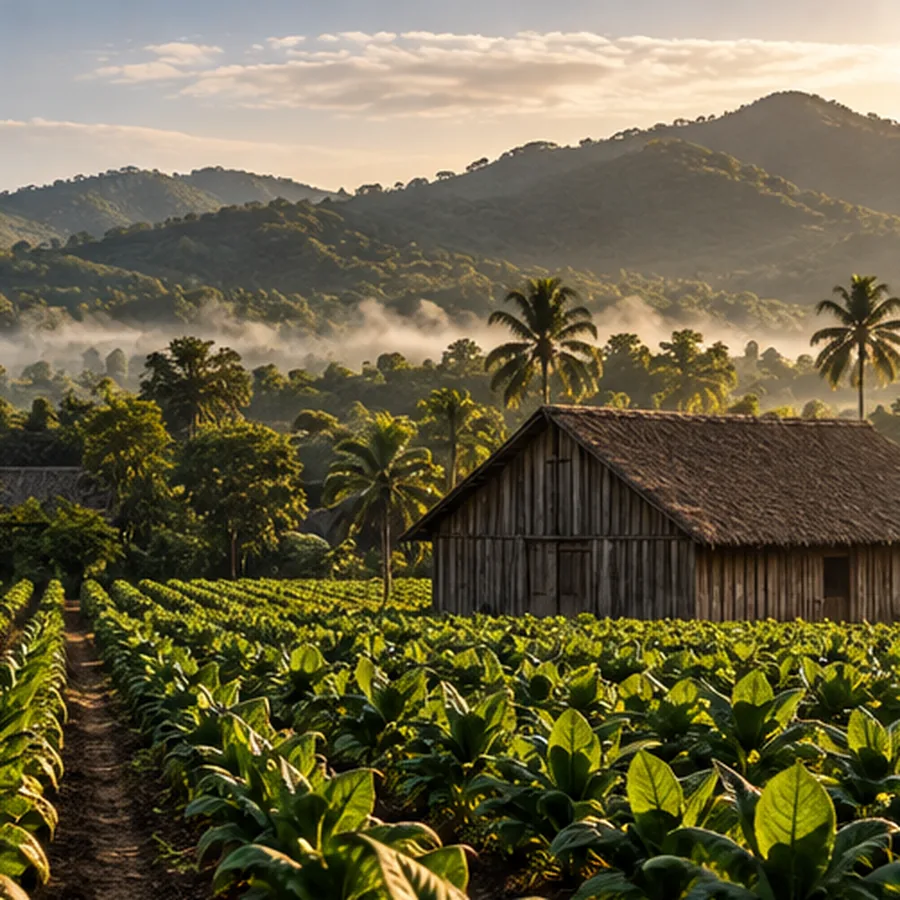
Every region leaves
its own mark.
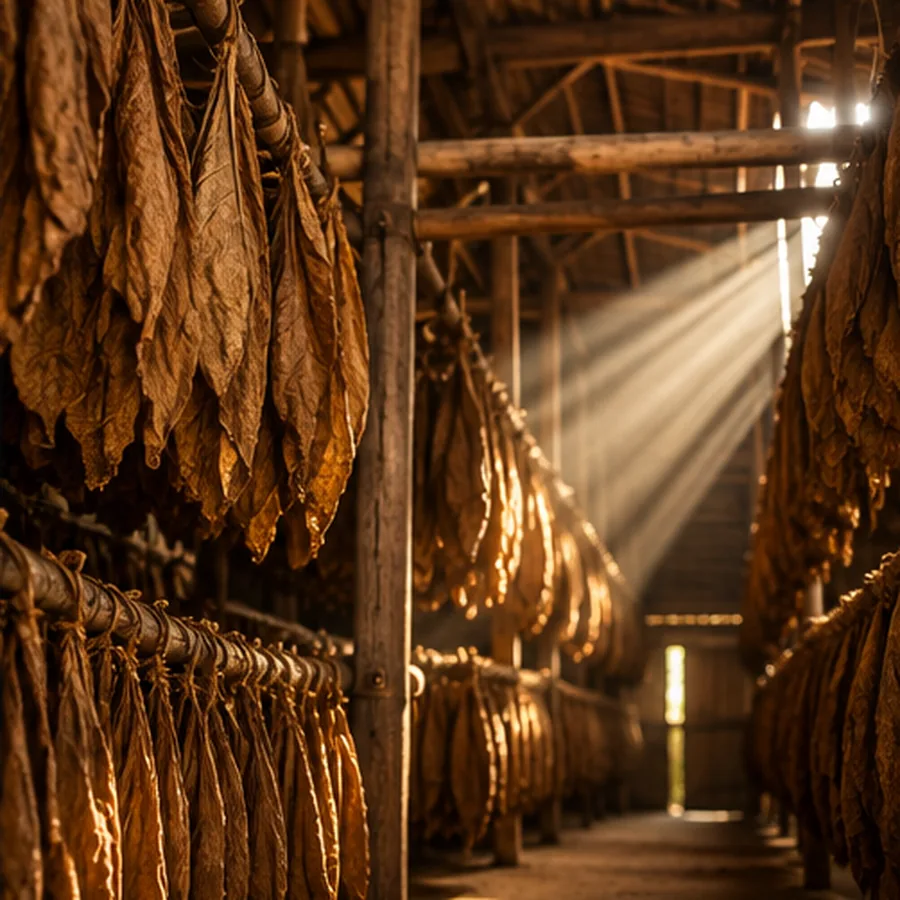
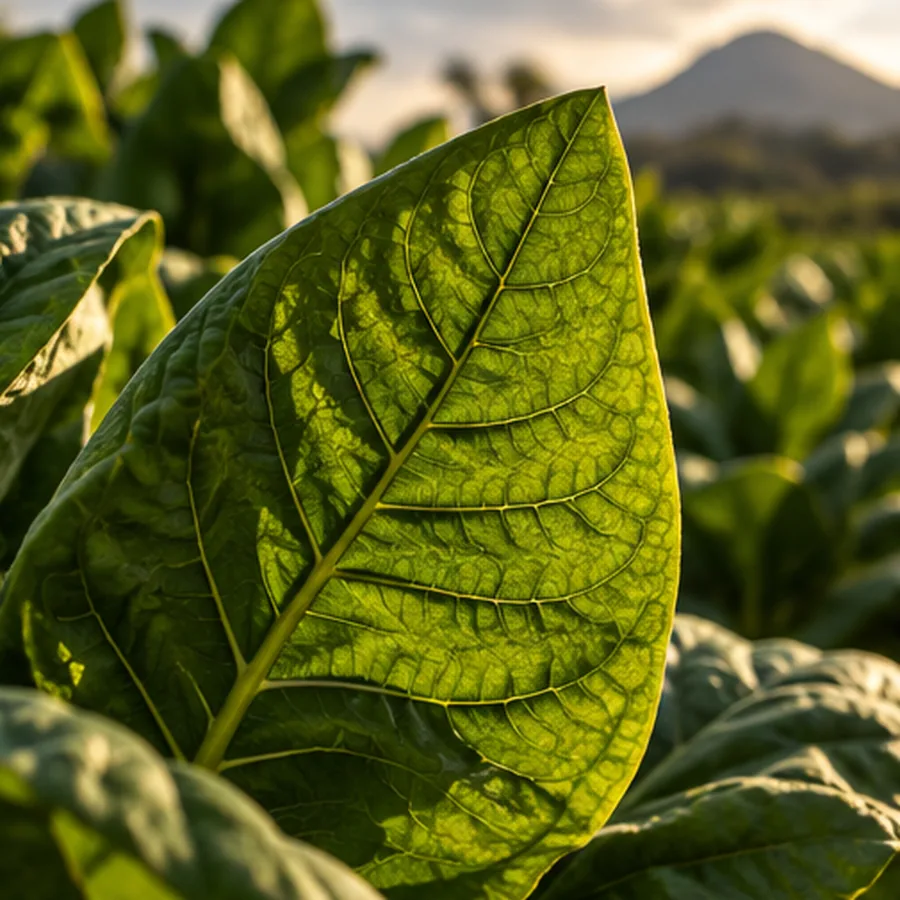
Tobacco cultivation has distinct histories across the Caribbean, Central America and parts of the United States. Climate, soil, farming methods and trade routes all shaped how the crop traveled.
Look beyond country names to understand how individual valleys and farming communities became connected to the wider story.
Read the field note
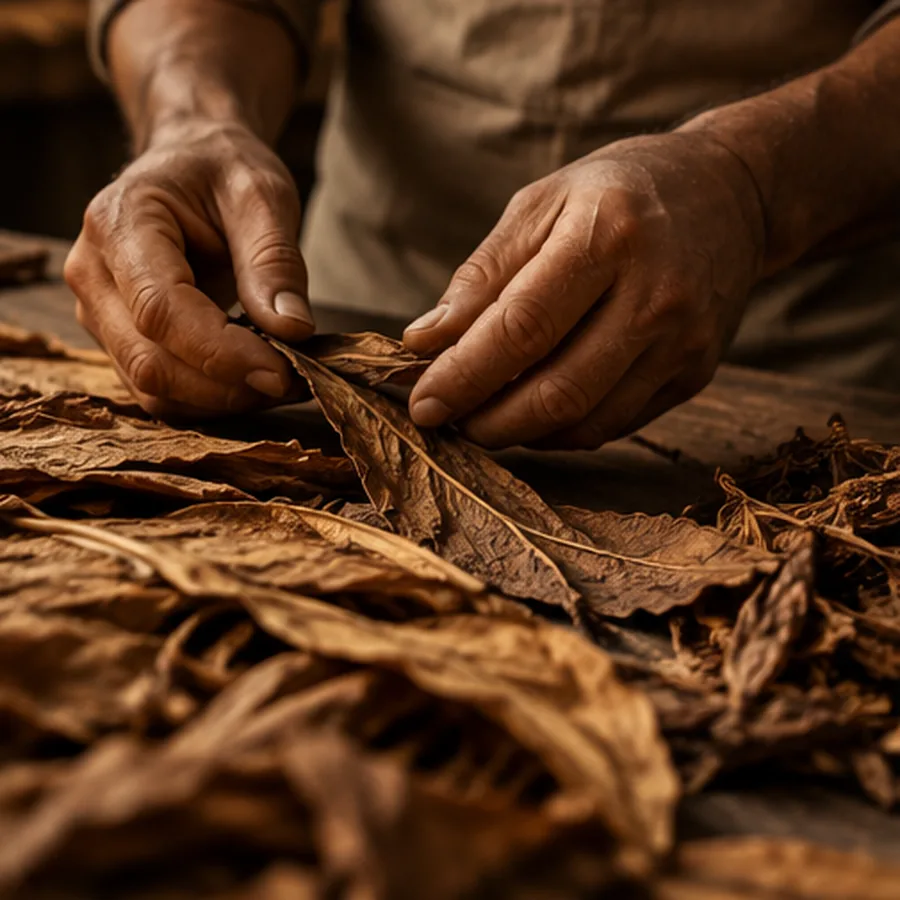
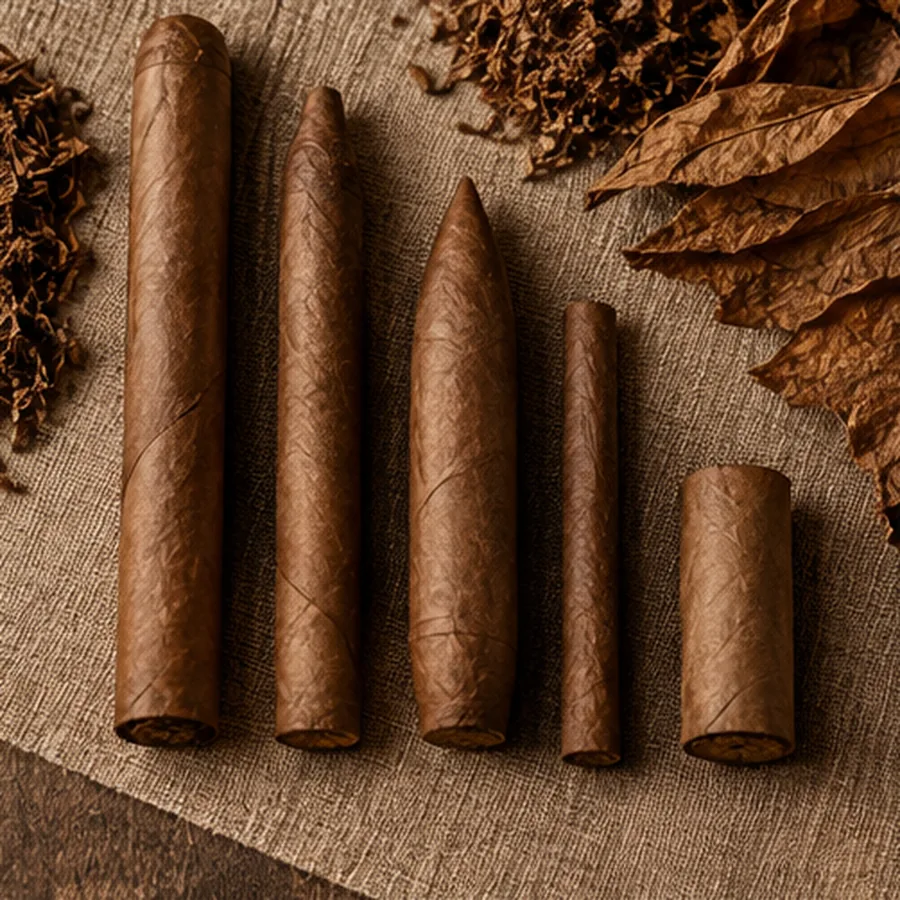
A geography of exchange. Tobacco is native to the Americas and became a global commodity after European contact. Cuba, the Dominican Republic, Honduras and Nicaragua are frequently discussed in histories of cigar manufacture; the Connecticut River Valley also has a long history of growing wrapper tobacco.
The production histories of these places differ, and broad regional labels do not tell the whole story. Labor, migration and trade policy are essential parts of the record.